

Safeguard your Construction Projects
Surety Bonds & Guarantees
CIR offers surety bonds and guarantees to safeguard your construction projects. Explore tailored solutions, including performance and retention bonds, with expert support.
What We Cover

Performance Bonds
Advanced Payment Bonds
Section 106 Bonds
Insurance Backed Guarantees
Need something not listed?
We provide tailored bonding solutions for a wide range of projects. Speak to our team to find the right cover for you.
Why CIR?
Bonds & Sureties for Construction Projects
Surety bonds and guarantees are essential financial instruments that protect project owners against contractor default. At CIR, we provide tailored bonding solutions that help contractors secure work, meet contractual requirements, and deliver projects with confidence.

What Is a Surety Bond?
A surety bond is a three-party agreement between the contractor (principal), the project owner (obligee), and the surety provider. It guarantees that the contractor will fulfil their contractual obligations. If the contractor fails to perform, the surety steps in to either complete the project or compensate the client. Unlike insurance, the contractor remains ultimately liable for any losses. Contractor bonds are typically required by:
-
Public sector bodies (local authorities, government departments)
-
Property developers and main contractors
-
Infrastructure and civil engineering clients
-
Housing associations
They are particularly common on large-scale or high-risk projects where financial protection is critical.
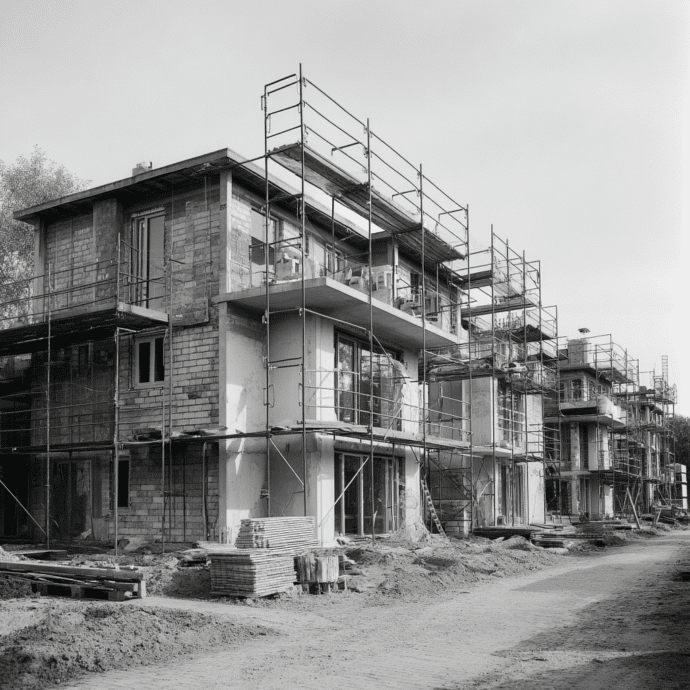
Who Requires Contractor Bonds?
Contractor bonds are required by public sector bodies, developers and infrastructure clients, especially on high-risk projects, as they protect against financial loss, guarantee performance and are often mandatory under UK procurement rules. CIR combines market expertise with a tailored, advisory-led approach:
-
Access to leading UK and international surety markets
-
Fast turnaround and flexible underwriting
-
Solutions tailored to your project and financial position
-
Ongoing support as your business grows
We don’t just place bonds, we help you build long-term capacity to win bigger contracts.
Types of Construction Bonds and Guarantees Explained
A performance bond guarantees that a contractor will complete a project in line with the contract. If they fail to perform, default, or become insolvent, the bond protects the project owner by covering the cost of completing the works.
An advance payment bond protects upfront or staged payments made to a contractor. If the contractor fails to deliver as agreed, the bond ensures those funds can be recovered.
A Section 106 bond secures a developer’s obligations under planning agreements, such as affordable housing or infrastructure contributions. It ensures commitments are met, even if the developer defaults.
An insurance backed guarantee protects clients against defects in workmanship or materials if the contractor ceases trading during the guarantee period, typically lasting 10–25 years.
IBGs are commonly used for higher-risk or specialist construction elements, including:
- Flat roofs
- Cladding and external façades
- Basement tanking and waterproofing
- Piling and foundations
- Roofing systems
- Timber treatment and damp proofing
Arrange a call back
Want us to call you back at a more convenient time? Drop us your details here and someone will be on touch at a more suitable time.
Call us
today
Ready to speak to one of the team about a getting a quote, an existing policy, or simply want to find out more? Just give one of our friendly advisors a call.